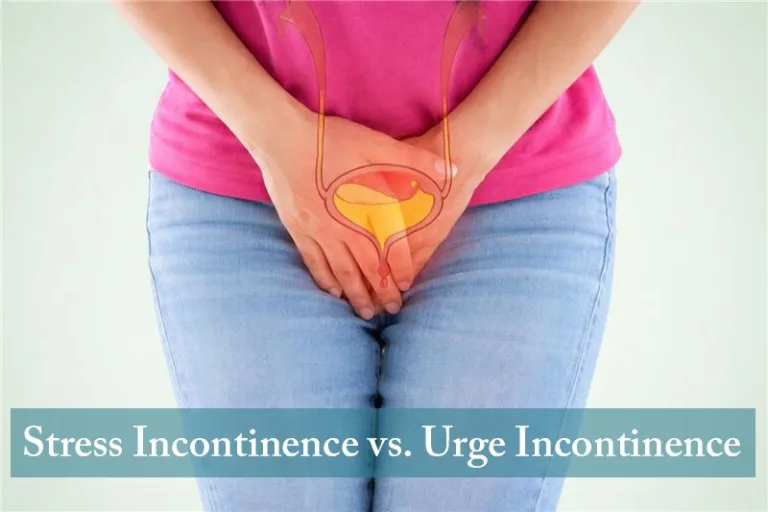
Many women in their early to mid-40s are blindsided by bladder leaks, especially bladder leaks in perimenopause. You may have sailed through your postpartum years with no issues, only to suddenly find yourself crossing your legs when you sneeze or rushing to the bathroom for the third time in an hour. If this is you, perimenopause is very likely part of the story, and very few women know about the connection.
What Perimenopause Does to Your Bladder
Perimenopause is the years-long transition leading up to menopause, typically beginning in the 40s. During this time, estrogen levels do not simply decline they fluctuate dramatically, with peaks and valleys that affect tissues throughout the body, including the bladder, urethra, and pelvic floor.
Estrogen is critical for keeping the lining of the urethra plump and elastic, maintaining blood flow to the pelvic tissues, and supporting the strength of the muscles around the bladder. As levels become unpredictable, those tissues begin to thin and weaken and bladder symptoms often appear for the first time, or get worse.
Common Perimenopausal Bladder Symptoms
- New or worsening urinary urgency
- Waking up at night to urinate (nocturia)
- Leaking with coughing or laughing that did not happen before
- More frequent urinary tract infections
- A vague sense of pelvic pressure or discomfort
Why It Often Gets Missed
Perimenopause is one of the most under-discussed phases of women’s health. Many women and many providers focus on hot flashes and irregular periods and overlook the bladder entirely. If you bring up urinary symptoms in your 40s, they may be dismissed as the result of childbirth, weight, or “just getting older.” Those factors may play a role, but so does estrogen, and the difference matters because it changes treatment.
What Helps in Perimenopause
- Pelvic floor physical therapy : Effective at any age and a good first step.
- Lifestyle changes : Reduce caffeine, alcohol, and artificial sweeteners, which irritate the bladder. Manage constipation.
- Bladder training : Especially helpful if urgency is your main symptom.
- Vaginal estrogen : A low-dose, locally-applied treatment that works wonders for many women, with minimal systemic absorption. Often prescribed even before menopause if symptoms are estrogen-related.
- Hormone therapy : Systemic hormone therapy may help some perimenopausal symptoms, though it is not primarily a bladder treatment.
When to See a Doctor
If urinary symptoms are new in your 40s, or if old symptoms are getting worse, do not wait. A women’s health specialist can sort out what is driving the change and start treatment early before it affects your sleep, exercise, or social life.