What is Iron-Deficiency Anemia and Why Does It Make You Tired?
Iron-deficiency anemia occurs when there is a reduction in red blood cell measurements such as hemoglobin concentration, hematocrit, or red blood cell count. Hemoglobin, an iron-containing protein in red blood cells, is crucial for carrying oxygen from the lungs to the rest of the body. When oxygen delivery is compromised due to low iron levels, fatigue and exhaustion follow. Think of iron as the fuel for your body’s energy—without it, you may feel constantly drained.
Common Causes of Iron-Deficiency Anemia
Anemia is typically caused by one of the following factors:
- Blood loss: Heavy menstruation, injuries, or trauma can deplete iron levels.
- Reduced red blood cell production: Nutrient deficiencies (iron, folate, B12), chronic illnesses, and bone marrow disorders can lead to anemia.
- Increased red blood cell destruction: Autoimmune disorders, sickle cell anemia, toxins, medications, and infections can shorten the lifespan of red blood cells.
The Role of Red Blood Cells in Oxygen and Nutrient Delivery
Red blood cells are produced through a process called hematopoiesis, which also generates white blood cells and platelets. Their lifespan varies—white blood cells can last from hours to days, while red blood cells typically survive up to 120 days in healthy individuals. Proper function of the bone marrow, liver, and spleen is essential for the continuous regeneration of these cells.
Cupping and Acupuncture for Anemia and Fatty Liver
One of my patients, a female with iron-deficiency anemia and fatty liver, receives cupping and acupuncture for pain management. After removing the cups, I observed darker marks over her spleen and liver, indicating potential dysfunction in these organs. This aligns with her anemia, as her spleen plays a key role in red blood cell production. To support her recovery, I introduced acupuncture treatments aimed at nourishing the spleen and liver while supplementing her diet with the proper form of iron.
Warning Signs of Iron-Deficiency Anemia
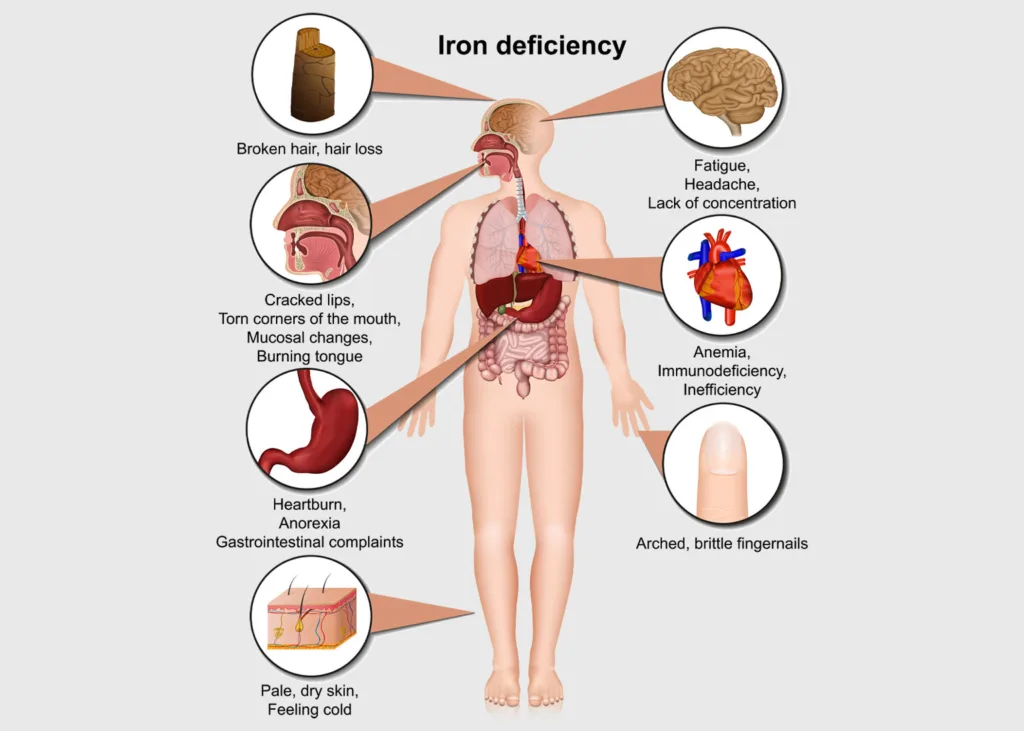
Anemia can severely impact physical and mental well-being. Watch for these symptoms and seek medical guidance if they persist:
- Chronic fatigue
- Shortness of breath
- Brain fog and memory loss
- Dizziness and headaches
- Cold hands and feet
- Slow wound healing
- Skin rashes
- Impaired sexual function
Underlying Conditions That Exacerbate Anemia
Certain bacterial and viral infections can hinder red blood cell production. While the exact mechanisms are still being studied, infections such as tuberculosis, Epstein-Barr virus cytomegalovirus, hepatitis A and C, HIV, and Varicella-Zoster have been linked to anemia. These viruses can trigger an immune response that disrupts hematopoiesis, potentially leading to worsening anemia symptoms.
Conclusion: Take Control of Your Health
Iron-deficiency anemia is a common yet often misunderstood condition that affects millions worldwide. By recognizing symptoms early, addressing nutritional deficiencies, and seeking appropriate treatment, you can restore your energy levels and overall well-being. If you suspect anemia, consult a healthcare professional to determine the best course of action for your unique health needs.