Joint stiffness. Headaches that feel different or more frequent. Pelvic discomfort. Pain during intimacy. Widespread aching that makes sleep, work or movement harder. Midlife Pain Deserves attention and understanding.
When pain appears or changes during perimenopause or menopause, it may be tempting to dismiss it as “just menopause.” It may also be tempting to assume that one treatment will solve every symptom.
When discussing healthcare options, remember that Midlife Pain Deserves a thorough evaluation based on individual needs.
Neither assumption is enough.
The International Menopause Society’s 2026 White Paper on chronic pain at midlife explains that pain is shaped by an interaction of biological, psychological and social factors. Hormonal changes may contribute, but so can aging, musculoskeletal conditions, changes in pain processing, sleep disruption, mood, prior injuries, medical conditions, lifestyle and social circumstances. Because these factors often overlap, midlife pain deserves a thoughtful, individualized assessment.
Can menopause contribute to pain?
Yes. The menopause transition may coincide with increased vulnerability to pain, and symptoms such as poor sleep, fatigue, mood changes and hot flashes can influence how pain is experienced. The IMS review discusses common and sometimes overlapping concerns including musculoskeletal pain, migraine, fibromyalgia and chronic pelvic pain.
That connection is important, but it does not mean every new ache or persistent pain is caused by menopause. Similar symptoms may have other explanations, and more than one condition can be present at the same time. Assessment helps a qualified healthcare professional consider the complete picture before recommending next steps.
Why assumptions can delay appropriate care
Each woman’s journey highlights that Midlife Pain Deserves a unique exploration tailored to her symptoms.
The IMS notes that chronic pain in midlife women is often under-recognized, underdiagnosed and inadequately treated. It also describes how gender stereotypes and inequities in healthcare may contribute to women’s pain being insufficiently recognized or addressed.
Understanding muscle and joint pain, especially during perimenopause, is crucial, as Midlife Pain Deserves proper assessment.
Pain should not be dismissed because an examination or image does not provide a simple explanation. The IMS explains that pain severity does not always align closely with visible disease burden. Pain is a real, personal experience influenced by the nervous system and by biological, emotional and social factors. Considering sleep, stress or mood does not make the pain imaginary. It helps the clinician understand factors that may be amplifying or maintaining it.
It is equally important not to attribute every symptom to hormones. A new headache pattern, a hot or swollen joint, progressive weakness, postmenopausal bleeding or persistent pelvic pain may require targeted medical evaluation.
What can midlife pain feel like?
Muscle and joint pain
For persistent pain, remember that Midlife Pain Deserves a coordinated approach rather than isolated treatments.
Aches, stiffness and joint pain can occur during perimenopause and menopause. The IMS describes an interaction among hormonal changes, age-related processes, musculoskeletal health and other individual factors. These symptoms are not unique to menopause, so persistent or worsening pain should be assessed rather than self-diagnosed.
Headache and migraine
Hormonal fluctuation during perimenopause can affect migraine for some people, and migraine may overlap with other chronic pain conditions. Tracking headache days, menstrual changes, sleep and medication use can give a clinician useful context. A new or significantly changed headache pattern still requires assessment.
Pelvic, bladder or vulvovaginal pain
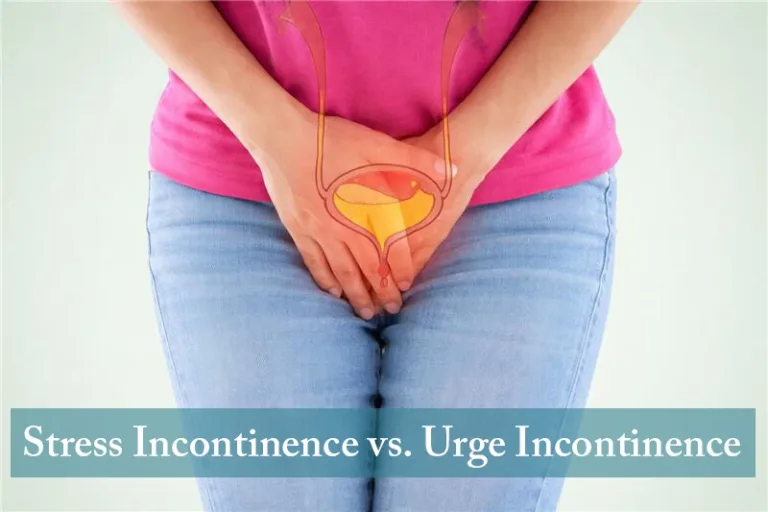
Lower estrogen can contribute to vaginal dryness, irritation and pain during sex. Pelvic pain can also involve the pelvic-floor muscles, bladder, nerves or other conditions. The IMS cautions against single-organ thinking because several mechanisms may overlap. A structured assessment helps determine which factors need attention.
Widespread or persistent pain
Some people experience pain in several areas, heightened sensitivity, fatigue or disrupted sleep. These experiences may involve changes in how the nervous system processes pain. They cannot be reduced to one hormone level or one body part. A coordinated approach may be more useful than treating each symptom in isolation.
What should a useful assessment explore?
A personalized assessment may consider:
- Where the pain is located, when it began and how it has changed
- Whether it is constant, intermittent or linked to movement, sleep, intimacy or the menstrual cycle
- Changes in periods, hot flashes, night sweats and other menopause symptoms
- Previous injuries, diagnoses, surgeries and family history
- Current medications, supplements and hormone treatments
- Sleep, fatigue, mood, stress and their relationship to pain
- Effects on mobility, work, relationships and daily life
- Symptoms that may require urgent or specialist evaluation
There is no single test that explains every form of midlife pain. The purpose of assessment is to identify likely contributors, rule out concerns that need medical attention and develop an appropriate plan within each provider’s scope.
Ultimately, Midlife Pain Deserves a tailored management plan that encompasses both medical and lifestyle approaches.
Does hormone therapy treat chronic pain?
Hormone therapy may be appropriate for certain menopause symptoms after individualized assessment. It is not a universal treatment for chronic pain, and the evidence varies by condition. The IMS calls for personalized care that may include hormonal or non-hormonal treatment, lifestyle support and condition-specific pain management, depending on the individual.
A decision about hormone therapy should consider the symptoms being treated, menopause stage, migraine history, health history, risks, preferences and treatment goals. It should be made with a qualified prescriber.
Thus, a multidisciplinary approach is essential because Midlife Pain Deserves a comprehensive strategy.
Exercise is crucial, as Midlife Pain Deserves an appropriate regimen that considers individual health conditions.
What might a coordinated plan include?
The IMS supports proactive, personalized and multidisciplinary pathways because chronic pain is multidimensional. Depending on the assessment, care may involve medical evaluation, physiotherapy, pelvic-floor physiotherapy, support for sleep, clinical nutrition, appropriate physical activity, medication or other targeted treatment.
Exercise has the strongest evidence base among lifestyle interventions discussed in the IMS paper, although benefits for chronic pain are generally modest to moderate and must be adapted to the person’s health, abilities and condition. Pain that limits movement is a reason to seek guidance, not a reason to force an unsuitable routine.
The goal is not to give every patient every service. It is to match support to the person’s assessed needs and priorities.
How to prepare for an appointment
A short symptom record can make the conversation more useful. For one or two weeks, note:
- Pain location and intensity
- Timing and possible triggers
- Headache or migraine days
- Sleep quality and fatigue
- Menstrual or menopause symptoms
- Medications or strategies tried and what happened
- Activities the pain is preventing
You might begin the appointment by saying:
My pain has changed during midlife and is affecting my sleep and daily activities. I would like an assessment that considers menopause as one possible factor without assuming it is the only cause.
Finding an appropriate first step at Aniyah Care
At Aniyah Care, we believe your pain deserves to be heard and explored with care.
Our team can explain the available assessment pathways, including naturopathic care, pelvic-floor physiotherapy and clinical nutrition, along with appointment formats and fees. The appropriate clinician will assess concerns within their professional scope, discuss suitable options and advise when medical or specialist evaluation may be needed.
You do not need to diagnose yourself or select a treatment before contacting us. Our team can help you understand the appropriate first appointment based on the concerns you describe.
Frequently Asked Questions
References
In conclusion, every individual at this stage must know that Midlife Pain Deserves to be taken seriously.
Ultimately, Midlife Pain Deserves a forward-thinking approach to care and support.