Understanding bladder leaks is the first step towards finding effective solutions. If you leak a little urine when you laugh, sneeze, run, or simply cannot make it to the bathroom in time, you are not alone, and you are not stuck with it. An estimated 1 in 3 women experiences urinary incontinence at some point in her life, and the rate climbs sharply after childbirth and again at menopause. The most damaging myth about bladder leaks is that they are a normal, permanent part of being a woman. They are common, but they are highly treatable.
This guide walks you through what causes bladder leaks at each stage of life, the different types of incontinence, the treatments that actually work, and how to know when it is time to see a specialist. It is important to understand bladder leaks to address them effectively.
What Are Bladder Leaks?
“Bladder leaks” is the everyday term for urinary incontinence, any involuntary loss of urine. It ranges from a few drops when you cough to a sudden, urgent loss of a full bladder. It can happen once a month or many times a day. Either way, it is a medical condition with real solutions.
The Three Most Common Types in Women
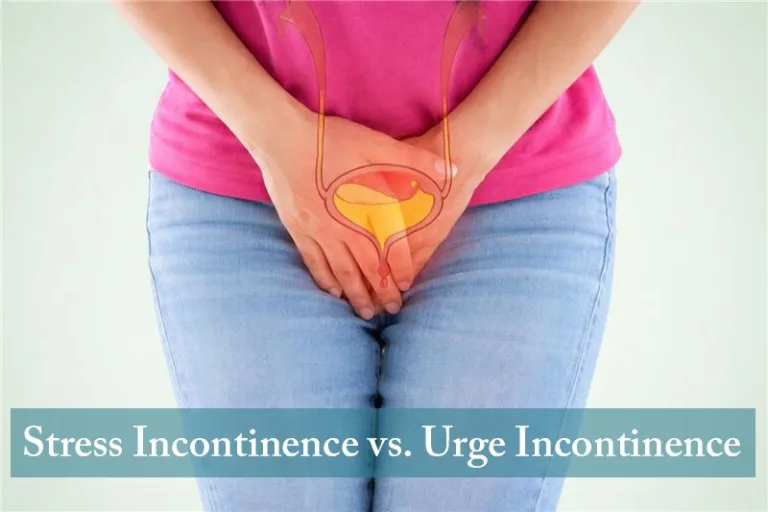
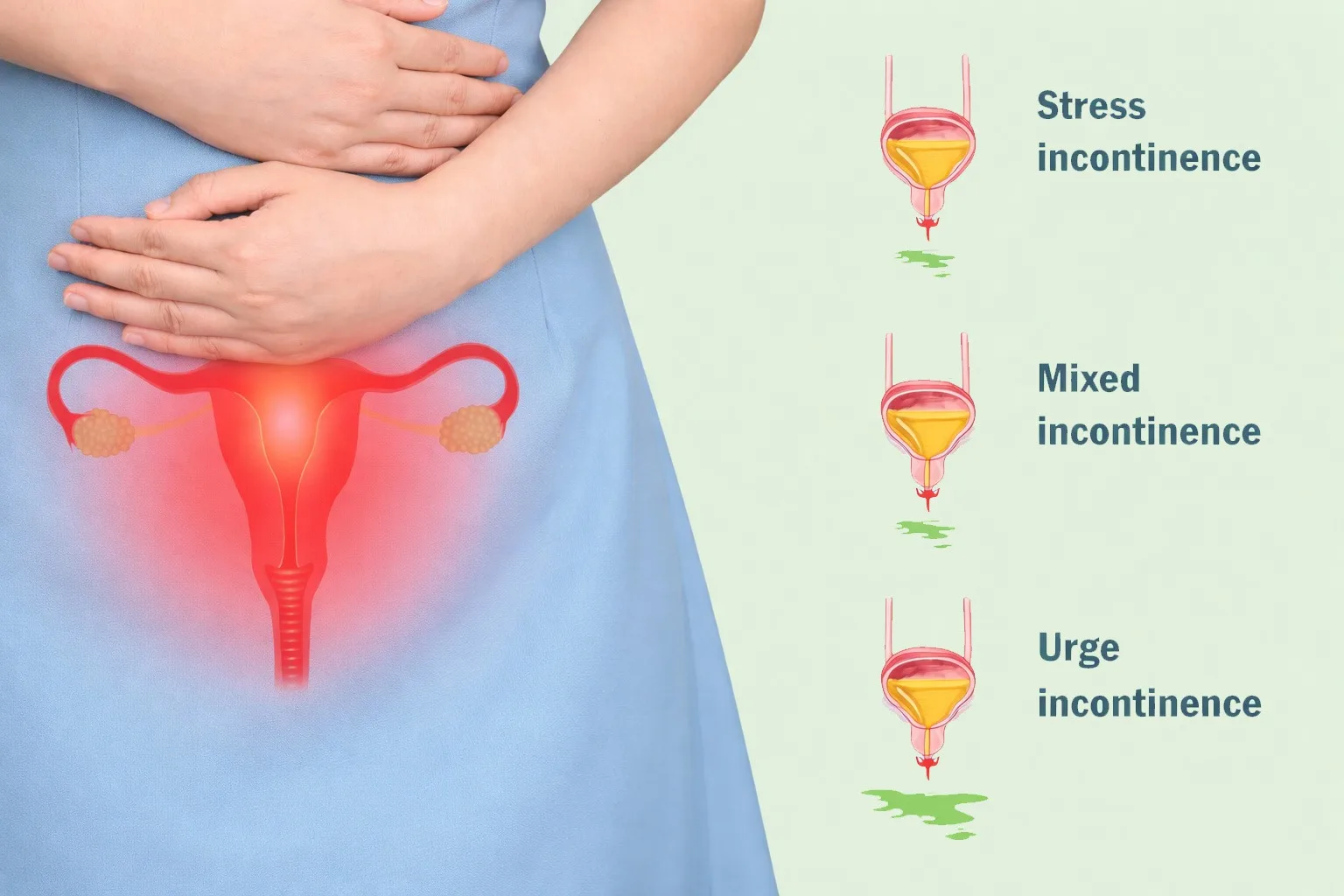
- Stress incontinence : Leaking with pressure on the bladder, coughing, sneezing, laughing, lifting, jumping, and running. Caused by weakened pelvic floor muscles or a weakened urethral sphincter. Most common after childbirth.
- Urge incontinence (overactive bladder) : A sudden, intense need to urinate that you cannot defer, sometimes leaking before you reach the toilet. Caused by the bladder muscle contracting when it should not. More common in perimenopause and menopause.
- Mixed incontinence : A combination of both. Very common, especially in women over 50.
Why Women Are More Affected at Certain Life Stages
- After childbirth : Pregnancy stretches and weakens the pelvic floor, and vaginal delivery can stretch or injure the muscles, nerves, and connective tissue that support the bladder. Even cesarean delivery does not fully protect against this nine months of carrying a baby creates significant strain.
- During perimenopause : Estrogen levels begin to fluctuate and decline. Estrogen helps maintain the strength and elasticity of the urethra and the tissues around the bladder. As levels drop, those tissues thin and weaken, and bladder symptoms often appear or worsen.
- During and after menopause : The drop in estrogen is more pronounced. Pelvic floor muscles also lose tone with age. Many women who had no problems postpartum suddenly develop leaks in their late 40s or 50s.
Treatments That Actually Work
The right treatment depends on the type and severity of your leaks, but options include :
- Pelvic floor physical therapy : First-line treatment for most women
- Bladder training : A structured program to retrain bladder timing
- Lifestyle changes : Fluid timing, caffeine reduction, weight management
- Vaginal estrogen : Highly effective for menopausal urinary symptoms
- Pessaries : Removable devices that support the bladder
- Medications : For overactive bladder
- Minimally invasive procedures : Botox injections, nerve stimulation
- Surgery : Sling procedures with high success rates for stress incontinence
Most women improve significantly with conservative treatment alone. Surgery is rarely the first step.
When to See a Doctor
Schedule an appointment if leaks happen more than occasionally, if they affect your activities or sleep, if you avoid exercise or social situations because of them, or if you have any new urgency, pain, or blood in your urine. You do not need to “wait until it gets worse.” Earlier treatment is more effective.
At Aniyah Care, our women’s health team specializes in bladder leak evaluation and treatment for women at every life stage. Schedule a confidential consultation or call (905) 487-4411