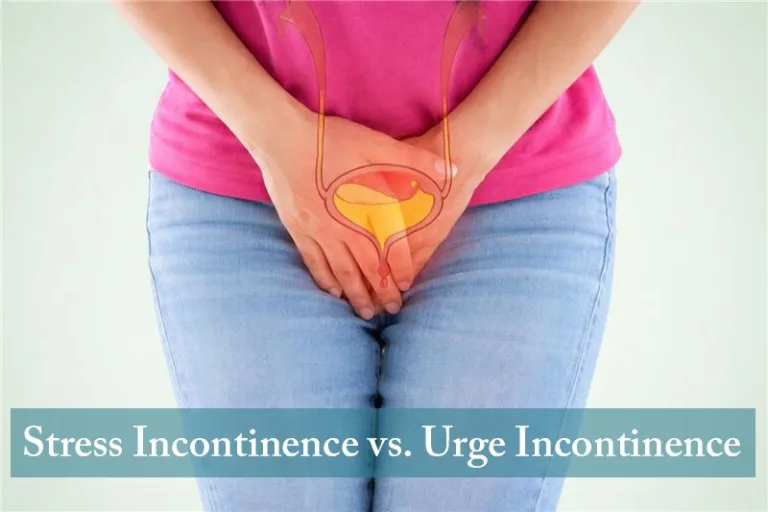
You sneeze and feel a small leak. You jump on the trampoline with your toddler and have to change your underwear. You laugh hard with friends and suddenly tense up. If this sounds familiar, you are part of an enormous, mostly silent club of mothers dealing with postpartum bladder leaks. The good news: it is one of the most treatable conditions in women’s health.
How Common Are Postpartum Bladder Leaks?
Studies suggest that about one in three women experiences some degree of urinary incontinence in the year after giving birth. For many, it improves on its own in the first few months. For others, it persists, and without treatment, it can last for years or decades.
Why Childbirth Affects Your Bladder
Several things happen during pregnancy and delivery:
- The weight of the baby stretches and weakens the pelvic floor muscles
- Hormones loosen connective tissue throughout the body
- Vaginal delivery stretches the muscles, nerves, and tissues that support the bladder and urethra
- Forceps, vacuum-assisted delivery, large babies, and long pushing stages all increase the risk of injury
- Even cesarean delivery does not fully protect against postpartum incontinence
What’s Normal in the First Six Weeks
Some leaking in the first few weeks after birth is extremely common as the pelvic floor recovers. Light bladder leaks during this window do not necessarily mean anything is wrong long term. What matters is whether the symptoms are improving as you heal.
When It’s Time to Get Help
If you are still leaking at your six-week postpartum visit, bring it up. If you are still leaking at three months, a referral to a pelvic floor physical therapist is warranted. Do not wait until your baby is in kindergarten; earlier treatment is more effective.
Treatment Options for Postpartum Bladder Leaks
- Pelvic floor physical therapy : The gold-standard first-line treatment. A specialized therapist evaluates your pelvic floor and gives you a tailored program often very different from generic Kegel advice.
- Bladder training : Structured techniques to lengthen the time between bathroom trips and reduce urgency.
- Lifestyle adjustments : Reducing caffeine, managing constipation (which strains the pelvic floor), and avoiding heavy lifting until you are stronger.
- Pessaries and support devices : For women who need additional support during exercise.
- Surgical options : Reserved for cases that do not respond to conservative treatment, usually after the family is complete.