
Need help booking an appointment? Call us at (905) 487-4411 or email info@aniyahcare.com
Postpartum pelvic floor dysfunction is one of the most common and most undertreated conditions affecting new and newer mothers. These symptoms are real, recognised, and highly treatable with the right care and support.
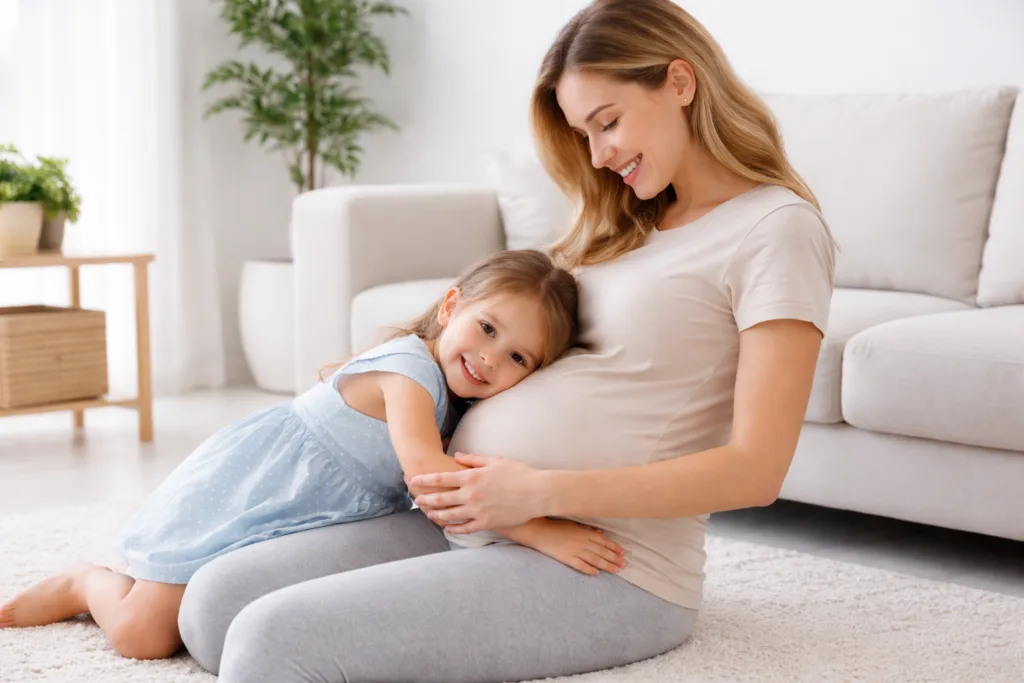
women have pelvic floor dysfunction following childbirth
of postpartum SUI cases persist 5+ years without treatment
intervention leads to faster, more complete recovery

During pregnancy, the pelvic floor muscles bear the growing weight of the uterus and baby for months. The hormone relaxin simultaneously loosens connective tissue reducing structural support across the entire pelvis. During vaginal delivery, the pelvic floor stretches to many times its resting length. During caesarean birth, the abdominal and pelvic structures are still profoundly affected by both the surgery and the months of pregnancy load that preceded it.
Research indicates that following childbirth, the deep stabilising muscles of the pelvic floor and core, particularly the transversus abdominis and deep multifidus, may not return to normal activation spontaneously, even as obvious discomfort fades. Without targeted rehabilitation, this neuromotor disruption can persist for years, predisposing mothers to worsening incontinence, prolapse, chronic pelvic pain, and core instability.

Leaking when coughing, sneezing, laughing, or exercising. Caused by weakened urethral sphincter and pelvic floor muscles following delivery. Often begins during pregnancy and persists without targeted treatment.

When weakened pelvic floor muscles and connective tissue can no longer adequately support the bladder, uterus, or rectum, organs may descend, creating a sensation of heaviness, pressure, or bulging. Affects approximately 1 in 3 women who have given birth.

Separation of the abdominal muscles along the midline (linea alba) that occurs during pregnancy. Associated with core weakness, instability, and altered pelvic floor function. Addressed through specialised physiotherapy and progressive neuromuscular rehabilitation.

Postpartum hormonal fluctuations and pelvic nerve disruption can trigger an overactive bladder causing sudden urgency, frequent daytime urination, and nighttime waking.
You’ve put up with this long enough. Let’s get you the support you need safely, privately, and without judgment.
Our postpartum pelvic health program is designed around the realities of new motherhood: time-limited, private, compassionate, and clinically effective. Both treatment pathways can be used individually or in combination for comprehensive postpartum rehabilitation.
Hands-free, fully clothed, and effective from a few weeks postpartum.
Practitioner-led care addressing the full picture of postpartum pelvic health.
You’ve put up with this long enough. Let’s get you the support you need safely, privately, and without judgment.
“My midwife said leaking was normal. My GP said to do Kegels. At Aniyah Care, someone finally assessed me properly and built a plan that actually worked. Eight months postpartum, I feel like myself again.”
Not sure which condition applies to you? Our conditions pages explain each type of pelvic floor dysfunction in plain, compassionate language including what causes it and what treatment may help.

Postpartum pelvic floor dysfunction is one of the most common.

Urge incontinence and overactive bladder are among the most disruptive.

Pelvic floor dysfunction isn’t always about visible leaks. Pressure, heaviness.

Stress urinary incontinence is one of the most common and most treatable forms of bladder leakage
Lorem ipsum dolor sit amet, consectetur adipiscing elit.

Lorem ipsum dolor sit amet, consectetur adipiscing elit.
Something not answered here? Call us directly — our team is always happy to talk things through.
This depends on your type of delivery and individual recovery. We can discuss your situation and begin assessment at a free consultation there is no obligation to start active treatment until you feel ready. Early assessment, even before treatment begins, is valuable.
Yes. Caesarean birth significantly affects the pelvic floor, core muscles, abdominal scar tissue, and musculoskeletal alignment. Many C-section mothers experience core weakness, bladder issues, and scar tissue complications that respond very well to postpartum pelvic rehabilitation.
Some symptoms improve with time, but research shows that many postpartum pelvic floor symptoms persist and often worsen without targeted treatment. Early intervention consistently leads to faster, more complete recovery.
No. The pelvic floor responds to strengthening and rehabilitation at any point postpartum. Many mothers seek help years after delivery and still achieve meaningful, lasting improvement.
Book a free, private postpartum pelvic health consultation at our Ajax clinic. No judgment. No rush. Just real support.
Located at 555 Kingston Rd West, Ajax we’re one of the most accessible integrative clinics in the region. Most patients drive 20 minutes or less.

Our goal is to help people live healthier lives through wellness solutions that are science-based and designed to deliver long-lasting, positive results.